


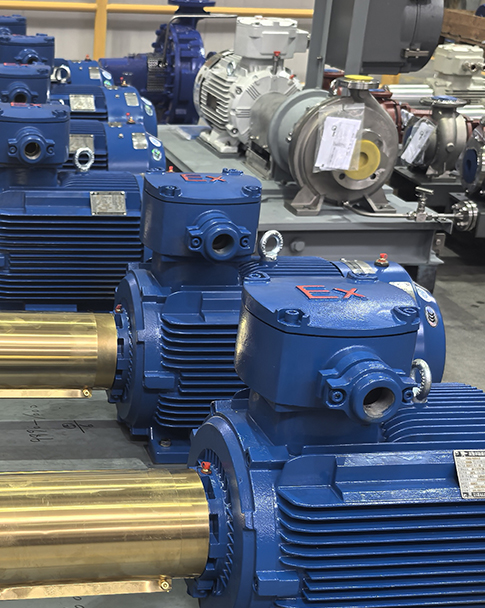
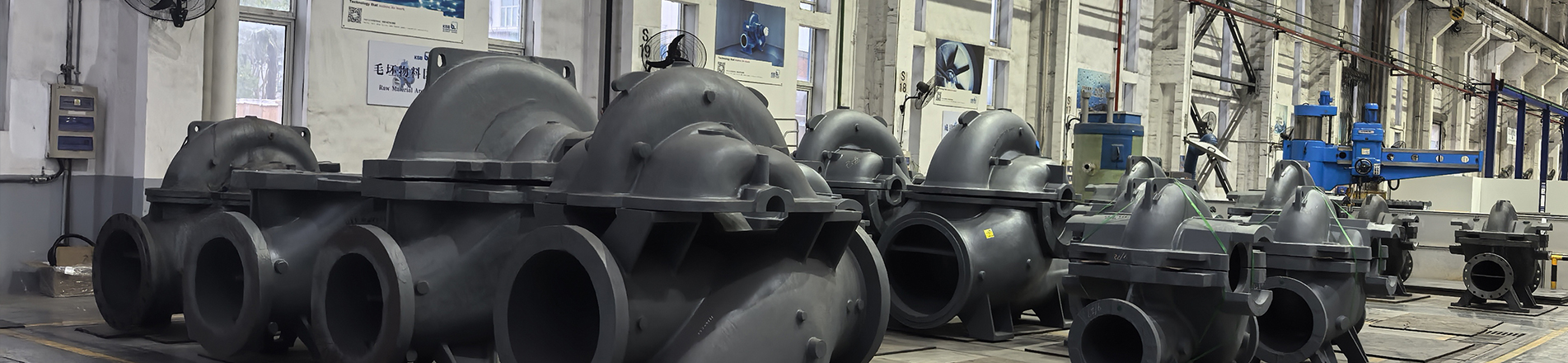
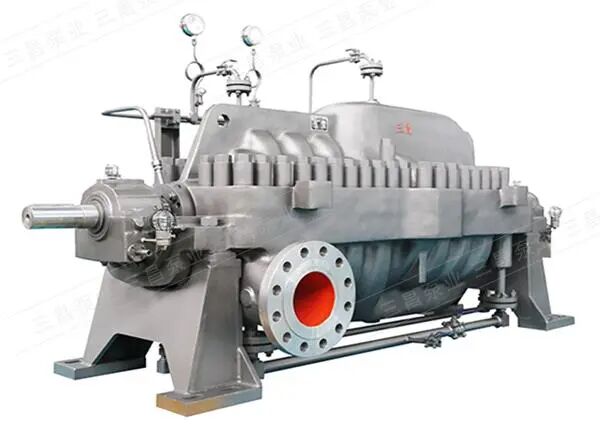
يُعدّ تحديد موضع دافعات المضخة الأفقية متعددة المراحل خطوةً أساسيةً في عملية التجميع، إذ يرتبط ارتباطًا مباشرًا بكفاءة التشغيل، ومستوى الضوضاء والاهتزازات، وعمر المضخة. والهدف الرئيسي من تحديد الموضع هو ضمان استقامة مركز مخرج جميع الدافعات، ومحاذاة مركز مدخل ريشة التوجيه.
فيما يلي طريقة تحديد موضع دافعة المضخة متعددة المراحل ذات الفتحة الوسطى بالتفصيل، والخطوات، والأمور التي تحتاج إلى اهتمام.
1-المبدأ الأساسي
لا يتم تحديد موضع كل دافع في المضخة متعددة المراحل عن طريق المسافة المحورية للجلبة، ولكن عن طريق الإزاحة المحورية الكلية للدوار.
يشير الإزاحة المحورية الكلية لمكونات الدوار إلى مسافة الحركة المحورية للدوار بأكمله (بما في ذلك العمود وجميع المراوح وقرص التوازن وما إلى ذلك) من وضع أقصى إلى وضع أقصى آخر دون تركيب محامل الدفع.
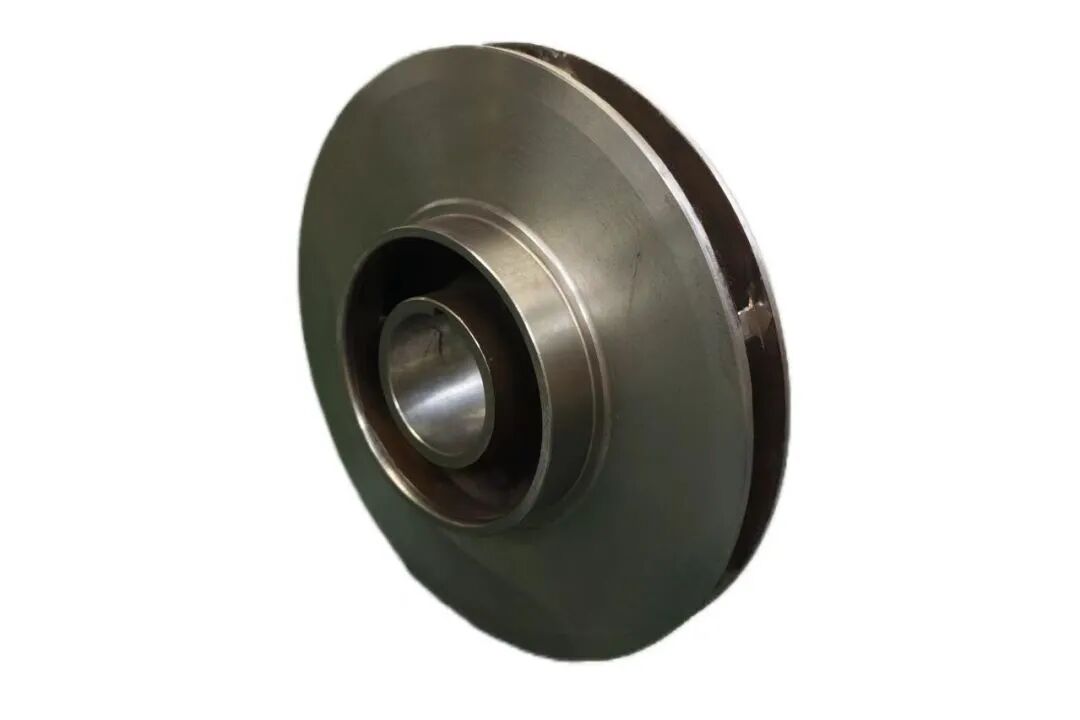
يهدف تحديد الموضع إلى ضمان عدم تسبب الدفع المحوري الناتج عن ارتفاع درجة الحرارة والضغط أثناء تشغيل المضخة في حدوث احتكاك بين المروحة والمكونات الثابتة (مثل غلاف المضخة وحلقة المدخل). كما يضمن محاذاة مخرج المروحة مع مدخل ريشة التوجيه في كل مرحلة لتحقيق أداء هيدروليكي أفضل.
2-أساليب وإجراءات تحديد المواقع
تُستخدم عادةً "طريقة تجربة تركيب الدوار" أو "طريقة القياس والحساب"، وهما متشابهتان في جوهرهما. فيما يلي الخطوات التفصيلية التي تجمع بين الطريقتين:
الخطوة 1: التحضير والتجميع الأولي
التنظيف والفحص: قم بتنظيف جميع مكونات المضخة بدقة بما في ذلك العمود والمراوح والبطانات وأقراص التوازن، مع التأكد من عدم وجود نتوءات أو تلف.
قم بقياس عرض المروحة وطول الغلاف بشكل منفصل (إن وجد) وسجل البيانات. سيسهل ذلك عملية التحقق المتبادل في الخطوات اللاحقة.
التجميع الأولي: قم بتركيب دافعة المرحلة الأولى، ثم الدوافع اللاحقة، وأكمام العمود، وأقراص التوازن بالتتابع على عمود المضخة. لا تقم بربط صواميل التثبيت (مثل صواميل أقراص التوازن) في البداية، مما يسمح لجميع المكونات بالحفاظ على انزلاقها المحوري بالنسبة للعمود.
الخطوة الثانية: قياس الخلوص الكلي للدوار
يتم رفع الدوار المجمع (بدون محامل) إلى النصف السفلي من غلاف المضخة.
يتم تركيب مقياس قرصي في أحد طرفي عمود المضخة (عادةً طرف القيادة)، مع توجيه رأسه نحو وجه نهاية العمود، لقياس الإزاحة المحورية.
ادفع الدوار بالكامل يدويًا باتجاه طرف محرك المضخة (DE) حتى يتعذر تحريكه (على سبيل المثال، عندما تلامس دافعة المرحلة الأولى جسم المضخة). ثم أعد ضبط مؤشر القياس إلى الصفر.
اسحب الدوّار بالكامل يدويًا باتجاه الطرف غير المُحرِّك للمضخة حتى يتعذر تحريكه (مثلًا، عندما تلامس دافعة المرحلة النهائية أو قرص التوازن جسم المضخة). تُشير قراءة مقياس القرص عند هذه النقطة إلى "الانحراف الكلي للدوّار". سجّل هذه القيمة باسم S_total.
لضمان الدقة، قم بإجراء دورات دفع وسحب متعددة وتحقق من استقرار قراءة مقياس القرص.
الخطوة 3: محاذاة موضع المروحة
بعد قياس إجمالي التدفق، يجب أن يكون وضع التشغيل المثالي للمروحة في منتصف إجمالي التدفق.
لحساب موضع المركز: ادفع الدوار إلى منتصف شوطه الكلي. على سبيل المثال، إذا كان الشوط الكلي S_total يساوي 4.0 مم، فإن موضع المركز يقع على بعد 2.0 مم من موضع النهاية للطرف المحرك إلى الطرف غير المحرك.
التحقق من المحاذاة (فحص النواة):
الطريقة أ (الطريقة التقليدية): باستخدام مقياس سماكة أو مقياس سماكة طويل، قِس المسافات بين مركز مخرج كل دافع ومركز مدخل ريشة التوجيه المقابلة في جميع الاتجاهات. في حالة المحاذاة المثالية، يجب أن تكون هذه المسافات متساوية تقريبًا. إذا كان انحراف المسافة في أي مرحلة مفرطًا، فهذا يشير إلى أن الوضع المحوري لتلك المرحلة من الدافع غير صحيح.
الطريقة ب (طريقة التصحيح): على المستوى الأوسط لجسم المضخة، حدد مركز مدخل كل ريشة توجيه باستخدام قلم رصاص أو قلم تحديد أحمر. ثم أدر الدوار للتأكد من محاذاة حواف مخرج كل دافعة مع هذه العلامات. هذه هي الطريقة الأسهل والأكثر فعالية.
التعديل: في حال اكتشاف عدم محاذاة، قد يتطلب الأمر ضبط طول الجلبة بدقة أو إدخال حشوات بين محاور المروحة. بالنسبة للتصاميم القديمة، عادةً ما تكون هذه الخطوة غير ضرورية، حيث يضمن الانحراف الكلي الصحيح محاذاة طبيعية.
الخطوة الرابعة: ثبّت الدوّار واضبط شوط العمل
بعد تحديد الموضع المركزي، يجب تثبيت مكون الدوار في هذا الموضع النسبي.
قرص التوازن الثابت: بعد محاذاة الدوار، قم بربط صامولة القفل على قرص التوازن. هذه خطوة أساسية لضمان تثبيت الموضع النسبي لمكونات الدوار الداخلية. بعد الربط، أعد فحص الانحراف الكلي للتأكد من ثباته.
يتم تركيب محمل الدفع لإعطاء الدوار موضعًا محددًا مسبقًا ولتحمل القوة المحورية المتبقية.
اضبط حركة العمل:
بعد تركيب محمل الدفع، سيتم تقييد نطاق الحركة المحورية للدوار، ويطلق على نطاق الحركة المحدود اسم "خلوص التشغيل".
عادةً، يتم ضبط خلوص العمل على ما يقرب من نصف الخلوص الكلي (على سبيل المثال، 2 مم عندما يكون الخلوص الكلي 4 مم)، مع الحفاظ على فجوات متساوية على كلا الجانبين (باتجاه DE و NDE).
يجب أن تكون الحركة المحورية للدوار ضمن نطاق شوط العمل عند تدوير الدوار، وهو ما يمكن التحقق منه بواسطة مؤشر قياس.
ثالثًا: الاعتبارات الرئيسية
1. التنظيف والتشحيم: يجب تنظيف جميع أسطح التزاوج والحلقات الدائرية جيدًا وتغطيتها بمادة تشحيم مناسبة (مثل ثاني كبريتيد الموليبدينوم) لتسهيل التجميع ومنع التصلب.
2. وضع العلامات والتسجيل: يجب توثيق جميع البيانات المقاسة، بما في ذلك إجمالي الشوط وشوط العمل، بدقة لأغراض الصيانة المستقبلية وتحليل الأعطال.
3. الشد المتناظر: عند إغلاق غطاء المضخة، يجب شد البراغي الموجودة على وجه الفتحة الأوسط بشكل متناظر وفقًا للتسلسل وعزم الدوران المحدد من قبل الشركة المصنعة لمنع تشوه غلاف المضخة.
4. اختبار عجلة اليد: بعد التجميع النهائي، قم بتدوير الدوار يدويًا للتحقق من الدوران السلس والمنتظم دون أي احتكاك أو انحشار.
5. التزم بمواصفات الشركة المصنعة: قد تختلف تصاميم ومتطلبات كل طراز من طرازات المضخات. الطرق المذكورة أعلاه هي إرشادات عامة، ولكن عمليًا، يجب أن يكون دليل التركيب والصيانة الخاص بالشركة المصنعة هو المرجع الأساسي.



 IPv6 network supported.